Release note notebook · Issue 01

Make every small release easier to understand.

A pocket-sized guide for mobile teams writing update notes that give people context, choice and confidence — before they tap update.

3 lenses
intent · impact · action
1 promise
plain English, always
Mobile app screens and release notes arranged on a desk
Good notesanswer the next sensible question.

01 — OPEN THE NOTEBOOK

Release notes are not a changelog.

They are the brief moment when a team translates development work into a person’s day. The best ones say what changed, why it matters, and what someone can do next.

This guide is made for product, design, engineering and support teams who share that responsibility.

See the anatomy of a useful note

02 — CHOOSE A LENS

Write to the stage of the build.

Pick the moment your release is in. This panel changes the practical prompt, proof and tone — not just the colour of the tab.

01 / SHAPE

When the work is still forming

Describe the outcome, not a wish list.

Frame the change around the job it helps a person complete. Save internal project names, component swaps and implementation detail for the team’s own notes.

WRITE THIS FIRST“You can now…”

Useful evidence
Prototype behaviour, intended constraints, known exclusions.

Keep the note honest
Use future tense until the feature reaches people.

03 — LISTEN FOR SIGNALS

Three questions before the first sentence.

A

What will feel different?

Name the visible moment: faster capture, clearer status, fewer steps, a more readable choice.

observable change
B

Who should care now?

Describe the affected workflow without pretending the change fits every person or every device.

specific audience
C

What is the next move?

Offer a calm action: try it, review a setting, restart an interrupted task, or simply continue as usual.

clear agency
Person reviewing paper notes in a studio
Colour swatches viewed on a mobile phone

04 — FIND THE EVIDENCE

Gather the proof that belongs in a human update.

Release-note writing gets easier when the inputs are small and repeatable. Ask one person from each discipline for a single sentence, then edit the group into a shared explanation.

  • Product: the problem this release addresses.
  • Engineering: behaviour that changed, including safe limits.
  • Design: what someone will notice or need to relearn.
  • Support: the question most likely to arrive first.

05 — EDIT FOR MEANING

Trade implementation language for useful language.

BEFORE

“Refactored sync architecture and resolved edge-case errors in the account pipeline.”

True, perhaps — but it does not help someone decide what to expect.

AFTER

“Saved items should now appear more reliably when you return to the app.”

Visible outcome first. Add a next step only when it is genuinely needed.

06 — BUILD THE NOTE

The five-line release note.

This is a thinking tool, not a rigid template. Skip a line rather than inventing a claim.

Use the extended writing prompts
  1. 01
    Headline

    Give the release a recognisable idea.

  2. 02
    What changed

    State the new or improved behaviour.

  3. 03
    Why it matters

    Connect it to a moment in someone’s day.

  4. 04
    What to do

    Invite a specific next move, if there is one.

  5. 05
    Watch-outs

    Name limits, rollout timing or device requirements.

07 — READ IT OUT LOUD

A release note should not make people work to decode it.

Plain language is an accessibility practice. Pair it with concrete dates, familiar settings labels and text that works without a screenshot.

Make the first line stand alone

People may see it in a narrow store listing, a notification, or an assistive technology preview.

Never hide the important qualifier

Availability, operating system needs and gradual rollouts belong near the change they qualify.

Leave room for translation

Short, direct sentences travel better than clever metaphors or compressed jargon.

08 — PRE-FLIGHT

A small release-note check.

Tick the items you can genuinely confirm. This is kept in this browser only.

0of 6 checked

09 — MATCH THE MOMENT

Different releases need different notes.

Quick fix

Say what is steadier now, and acknowledge the disruption without a lengthy incident report.

Keep it short

New capability

Explain the first useful task. Do not list every control before anyone has tried the main one.

Lead with the job

Change of routine

Help people find what moved and say what has stayed familiar. This is orientation, not persuasion.

Name the difference

Trust & safety

Describe protection plainly, with only the detail people need to take an informed action.

Be specific

10 — KEEP A COMMON LANGUAGE

Build a tiny reference library as you go.

Save phrases that have survived review, questions that changed the copy, and examples of qualifiers that prevented confusion. A release note becomes a little easier each time the team remembers together.

See the reference-library prompts
Team arranging release artefacts on a table
Colour blocks and a phone on a wall
Mobile prototype with coloured tokens

11 — COMMON MARGINS

A few practical questions.

Clear enough for the people doing the work; kind enough for the people receiving it.

As long as it takes to explain the useful change and its key condition. For a modest update, one focused paragraph is often enough.

Mention fixes that change a recognisable outcome, restore trust, or answer a likely question. A dense internal list can live elsewhere.

Say so in direct language and make the timing uncertainty visible. A person who cannot see it yet should not wonder whether they missed a step.

Use a named editor, but invite the people closest to the behaviour and the customer questions into a brief, structured review.

12 — TRY A DRAFT

Start a local release-note sketch.

Nothing leaves your device. Save a private draft in this browser, then clear it when you are finished.

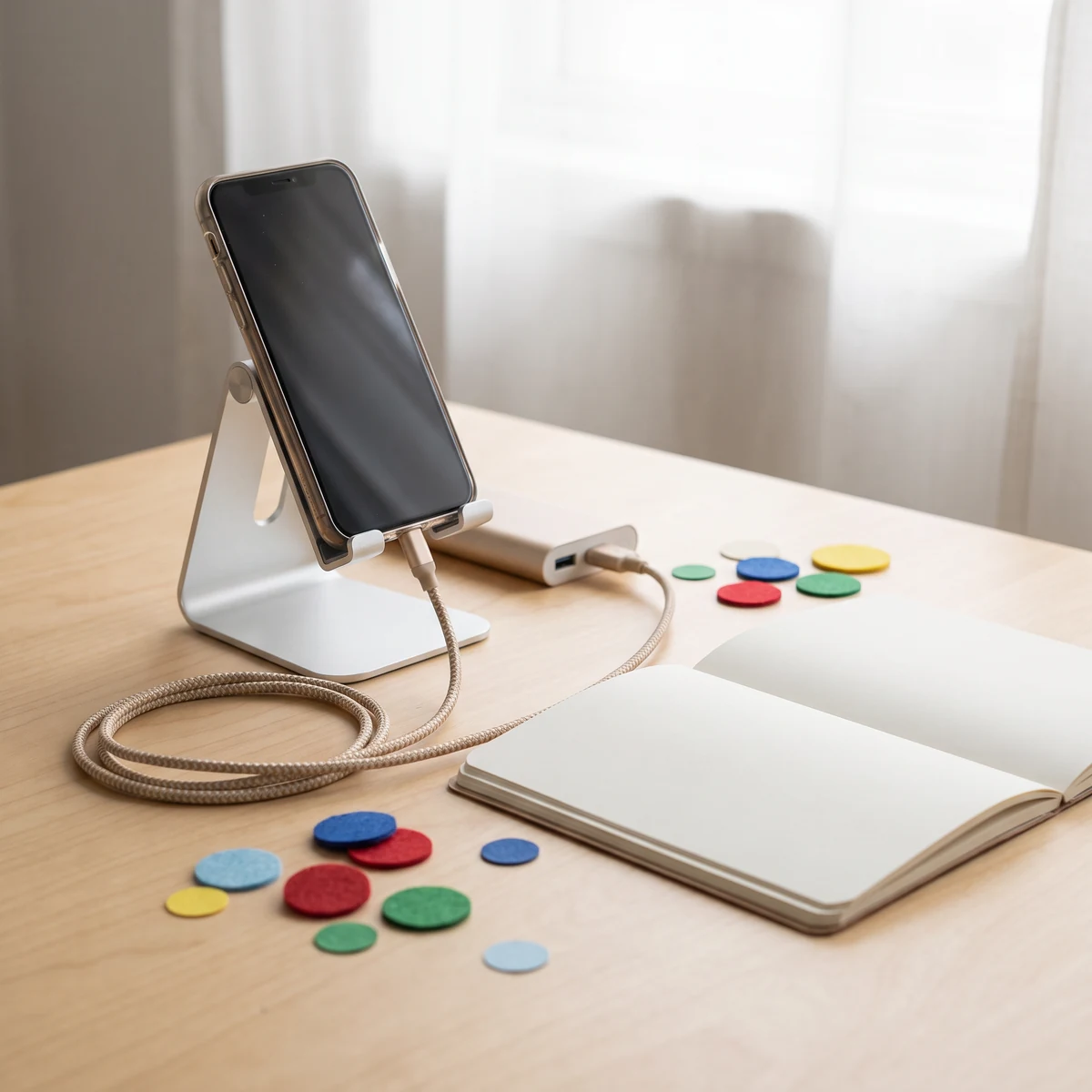
Notebook, phone and cables ready for a mobile app release
Your local draft is empty.
0/600 characters

Stored with local browser storage only; not sent to Wosirelkan.

Pocket reminder

Leave people with less to figure out.

A release note cannot contain everything. It can make the next moment clearer — and that is a useful place to start.

Wosirelkan home